
Simply Perfect Vanilla Bean Buttercream
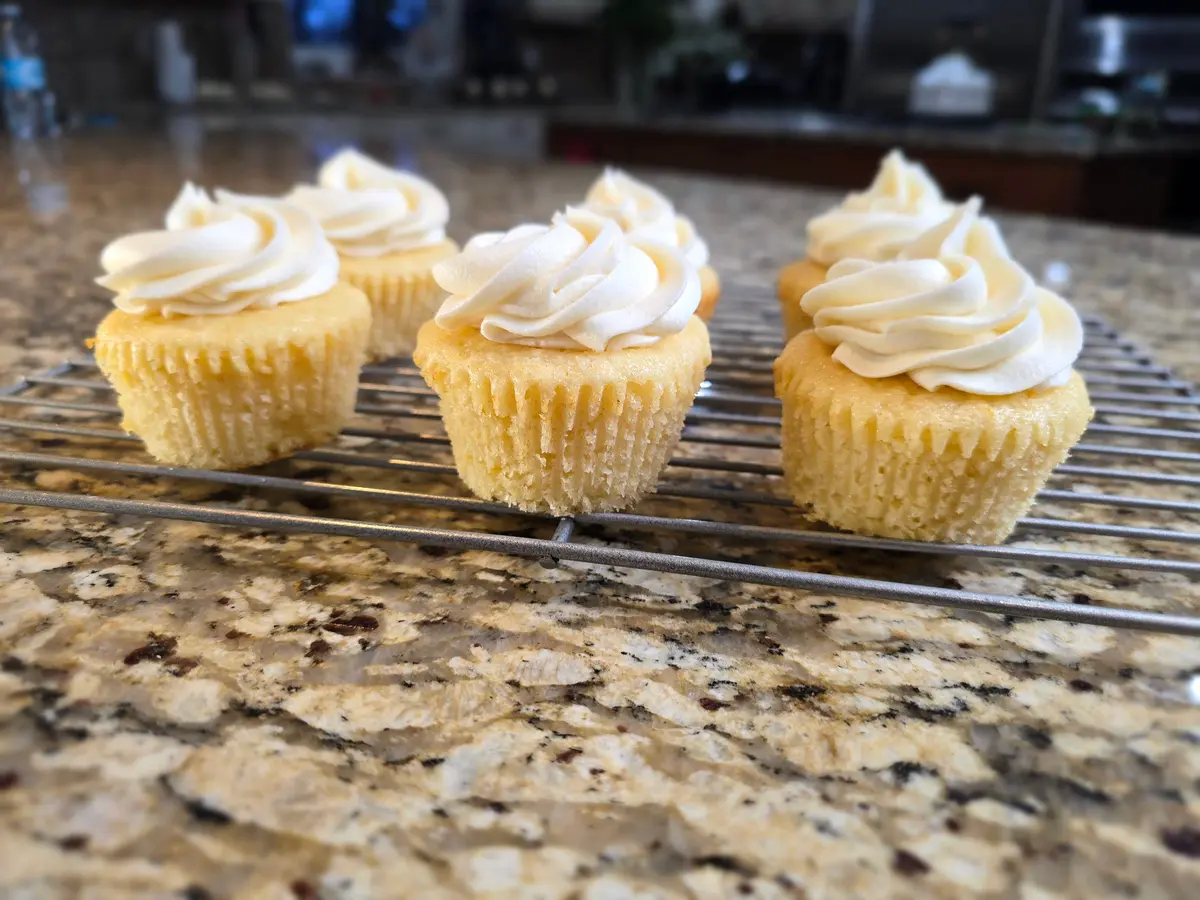
A silky, mellow, vanilla-forward buttercream inspired by a birthday party recipe and refined with Food400 technique. This Simply Perfect Vanilla Bean Buttercream uses a high butter ratio for a smooth, Swiss-meringue-like texture while staying easy, reliable, and completely forgiving for both beginners and kids.
Tap to rate this recipe
Every once in a while, a recipe surprises me. A few weeks ago, at a kid's birthday party, I tasted a buttercream that stopped me in my tracks. It had that velvety, mellow vanilla profile you usually only get from Swiss meringue buttercream, but without any of the stress, thermometers, or fuss. Just an incredibly smooth, beautifully balanced frosting that tasted far more sophisticated than a standard American buttercream.
Naturally, I asked the mom what she used, and she generously shared the foundation: a very simple ratio of butter to powdered sugar, except with significantly more butter—creating that luxurious, silky texture without any complications.
🍳 Needed Gear
Ingredients
- 2 cups (454 g) unsalted butter, softened but still cool
- 3 cups (360 g) icing sugar (powdered sugar)
- 1 to 1½ teaspoons vanilla extract
- Seeds from ½ vanilla bean (or 1 full bean for stronger flavour)
- Generous pinch of fine salt (about ⅛–¼ teaspoon)
- 1–4 tablespoons (6–28 g) icing sugar, optional, for adjusting sweetness or firmness
- 1–2 teaspoons (5–10 ml) milk or cream, optional, only if needed to thin the texture
Instructions
- 1
Prepare the butter: Your butter must be softened but still cool to the touch. The ideal temperature is 18–20°C. It should press slightly when pushed but should not look shiny or greasy. Place the unsalted butter in the stand mixer fitted with the paddle attachment. Beat on medium-high for 3–5 minutes, until the butter becomes paler in colour, visibly fluffier, and creamy without any hard lumps.
- 2
Add the icing sugar: Add the icing sugar in 2–3 additions. Each time, start on low until incorporated. Increase to medium-high and beat for 30–45 seconds. Once all the sugar is in, beat on medium-high for 2–3 minutes until completely smooth.
- 3
Add the flavourings: Pour in your extract and vanilla-seed mixture and a generous pinch of salt. Beat for another 30–60 seconds to fully incorporate.
- 4
Evaluate the texture: This buttercream is naturally silky and soft because of the lower sugar-to-butter ratio. If it feels too loose (often caused by butter that was a bit too warm), place the entire bowl in the fridge for 10–15 minutes. Stir once halfway through so the edges don't over-chill. Re-beat with the paddle for 20–30 seconds. If it is structurally fine but you want slightly more sweetness or firmness, add 1 tablespoon (15 ml or 6–7 g) icing sugar at a time. Re-beat for 10–15 seconds after each addition. Taste and stop when it's perfect. You can safely add up to 4 tablespoons (about 28 g) extra icing sugar before the buttercream becomes noticeably sweeter.
- 5
Adjust if needed: If the buttercream is too thick, add 1–2 teaspoons (5–10 ml) milk or cream. If it is too soft, chill briefly, then re-beat.
- 6
Optional finishing: For ultimate smoothness, beat on the lowest mixer speed for 3 minutes at the end. This knocks out tiny air bubbles and gives the buttercream a clean, professional texture.
Questions, Comments & Compliments
FAQ

Looking for more? Explore the full collection — filter by lifestyle, cuisine, or dietary needs.